

TERROIR MEDITERRANEAN 2020
The Great Mediterranean Sea
Spain, Gibraltar, France, Monaco, Italy, Slovenia, Croatia, Bosnia and Herzegovina, Montenegro, Albania, Greece, Turkey, Syria, Lebanon, Israel, Egypt, Libya, Tunisia, Algeria, and Morocco, as well as the island nations of Malta and Cyprus; these are the culturally intertwined countries, which lay along and within the salty waters of the beautiful Mediterranean Sea.
Like members of a complicated, twisted (and at times dysfunctional family), the countries of the Mediterranean are bound by their histories and destined to a future of collaboration and codependency.
Upon the plates of this huge family’s regional table, is the cuisine we know as the Mediterranean Diet. While the term itself may somewhat undermine the huge amount of diversity between the cuisines of all 22 Mediterranean countries, it also highlights the fact that there is, undeniably, something in common between them all.
Fundamentally the region shares a common environment. Societies flourished in the region as a result of the ease of access through waterways. Empires flourished through trade, conquests and politics. Abrahamic religion took a stronghold on the region and its inhabitants, leaving an impregnable imprint on the peoples of this region. The dichotomy between difference and commonality is most obvious in the food culture of the region. We use food as a cultural tool to identify our nationality and our ancestry. By using food as a portal to examine our shared history, we can appreciate how much we have in common with our neighbours and perhaps be more willing to accept and embrace our differences as well.
For centuries, the Mediterranean Sea has existed as the point of exchange between the expansive continents of Asia, Africa and Europe. Intertwined in the region’s cultural, political and agricultural history, are the complex roots of modern civilization.
The Fertile Crescent, a region which lay along the Levant border of the Mediterranean Sea, was home to some of the earliest forms of human civilization, from which emerged some of humanity's most fundamental technological innovations such as agriculture, irrigation, the wheel, and writing.
Many of the traditions which still flourish to this day are found to have developed in these ancient societies, which dispersed themselves in and around the region. The region continues to thrive via the bounty of the cereals, chickpeas and lentils which have been cultivated there for over 9,000 years.
The trade routes which have crossed the area for centuries, not only served the exchange of physical goods, but also cultural capital such as customs, language and cuisine.
The shared history of the region's agriculture and overall development of cuisine and culinary customs was related not only to trade, but also to the geographical and environmental commonalities of the region that brought similarities to their food cultures.
The Mediterranean Diet, which formed, is therefore not just related to food; but refers to a way of life. The word diet itself, actually stems from the Greek word díaita, meaning “way of living” or “life regime”. This reveals that contrary to it being largely misappropriated as a passing dietary “fad” in American popular culture, it is actually a richly complex system of shared knowledge and history across an entire region.
Without such a strong international confluence of cultures, no Mediterranean country would have the unique cuisine it does today. Aside from the olive trees, wheat, and vineyards, which have been cultivated in the region for as long as we can remember, most of the region's most iconic ingredients have their origins abroad.
Lemons and oranges were brought from Asia; eggplants from India; and tomatoes and potatoes made the vast journey from South America. These are just a handful of the foods that have long since been adopted as integral components of Mediterranean cuisine, only thanks to international influences on trade and cultural exchange.
Many Mediterranean dishes were born not only from the integration of international ingredients, but also the convergence between neighbouring cultures. For example, Hummus; a dish which is claimed by several Mediterranean and Middle Eastern countries including Turkey, Syrian, Lebanon, Palestine, Israel, Egypt and Greece, as their “own”. In all variations, Hummus relies on a key ingredient, tahini, a paste made from sesame seeds, which arrived in Mesopotamia, from South Asia, as early as 2000 BC.
Italian Pesto (a spread based on crushed basil and pine nuts), would have never existed either, had it not been for the import of Basil, which originated in India.
A world without trade and diversity; would be a world without our best and favourite dishes. The very idea of the Mediterranean diet, is entirely based on the combination of international ingredients, traditions and cultures.
A region separated only by borders fabricated by human constructs, is bound by a sea which has brought people together for centuries. The passion of so many diverse people, towards their land and their sea, is most prevalent in their love of ‘native’ food and wine, as an expression of their ‘sense of place’.
The ancient heritage of the Mediterranean is relentlessly and passionately preserved through the continued sharing, learning, and practice of cuisine, in kitchens, farms and across the table. By breaking bread with our neighbours, during the best of times, as well as in the worst, we can seek to understand each other.
Of all places, it’s around the table, that love, food and people of so many nations can come together.
Hannah Stein, 2020

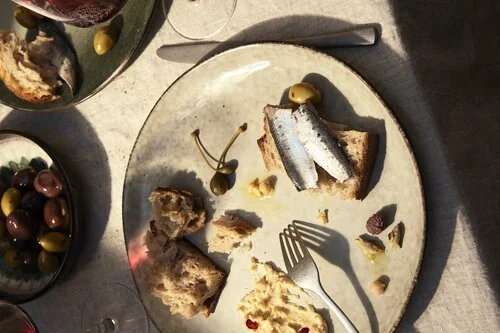


Terroir Mediterranean was a weekend of interactive and experiential learning programs that will brought together 42 food leaders from 22 countries to celebrate the unique cultures of the Mediterranean. It was a celebration of food traditions, techniques, ingredients and cultures. Attendees were able to ‘virtually travel’ through the Mediterranean landscape and discover unique perspectives and discover the interconnected relationships of each country by sharing their history, landscape and food culture.
Our audience consisted of anyone interested in having a virtual escape to places they may not have expected - think Morocco, Tunisia, Egypt and the middle east, as well as Spain, Italy, France & Greece.
Our symposium was able to promote the interconnectivity of this region, along with promoting small scale sustainable production - which will continue to be ever more important for the health of our societies and our planet.
TERROIR MEDITERRANEAN PRESENTERS

CHARLOTTE HORTON Winemaker, TUSCANY
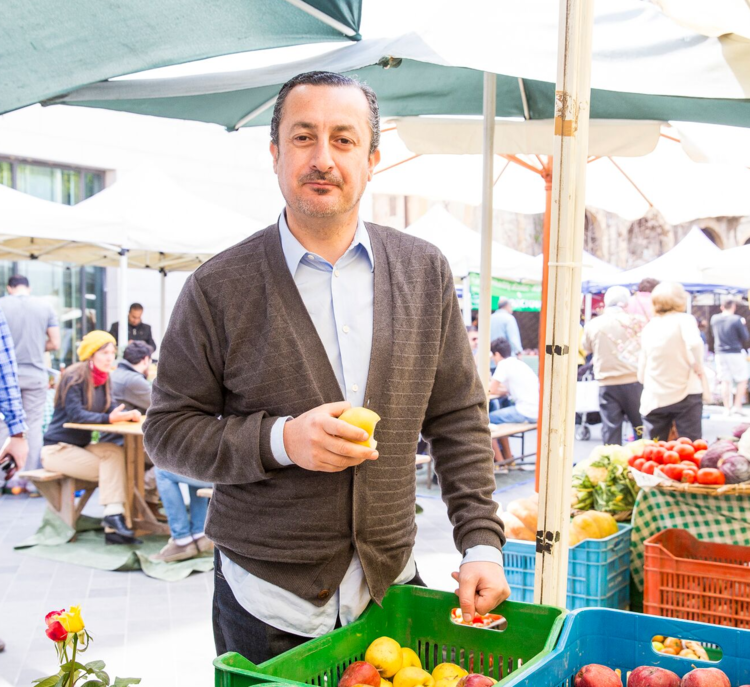
KAMAL MOUZAWAK Founder, Souk El Tayeb, LEBANON

ANA ROS Hiša Franko, SLOVENIA

NATHAN THORNBURGH Roads & Kingdoms, USA

ANISSA HELOU Author, Chef, SICILY

FABRIZIA LANZA Anna Tasca Lanza Cooking School, SICILY

ANDREA PETRINI Journalist & Food Curator, FRANCE

GAMZE INECELI Food Cultures Researcher, TURKEY
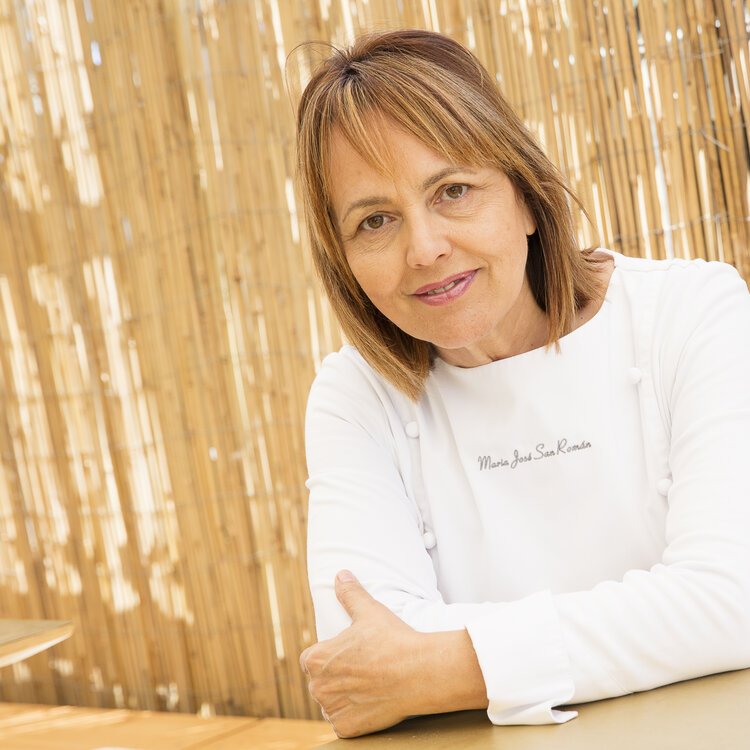
MARIA JOSE ROMAN Chef, SPAIN
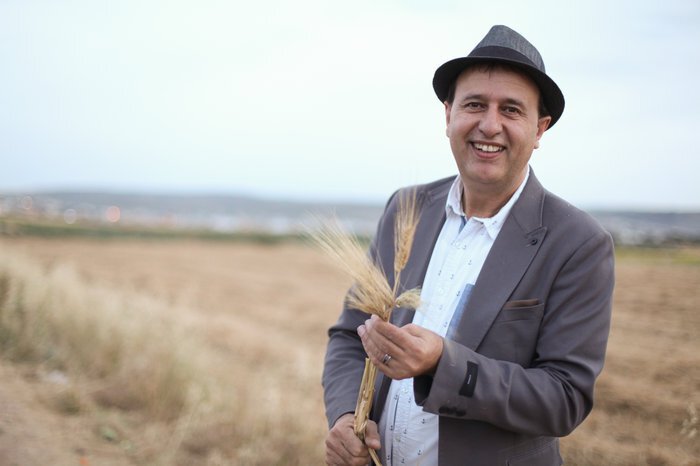
NASSER ABUFARHA Anthropologist and Social Entrepreneur, Canaan, PALESTINE

MAKSUT ASKAR Chef, TURKEY
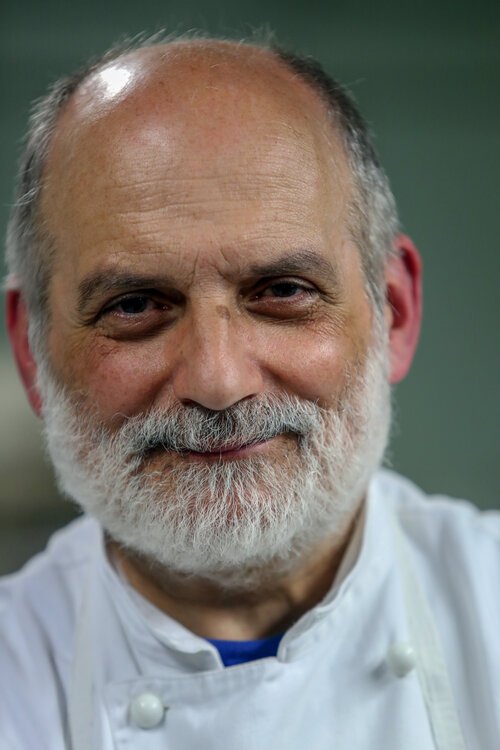
CORRADO ASSENZA Chef, SICILY

CRISTINA BOWERMAN Chef, ITALY

JAMIE GOODE Wine Writer, UK
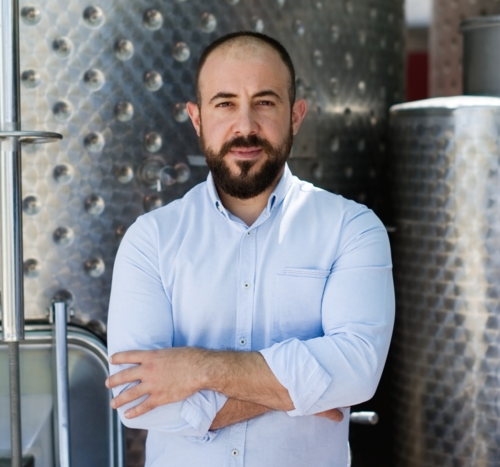
ORESTIS TSIAKKAS Winemaker, Cyprus

RONI SASLOVE Winemaker, Author, Israel
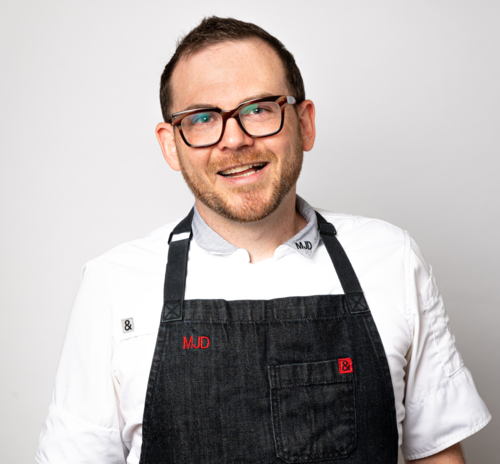
MATT DUFFY Chef, CANADA

YAIR YOSEFI Mediterranean Food Lab, ISRAEL

B.Z. GOLDBERG Mediterranean Food Lab, ISRAEL
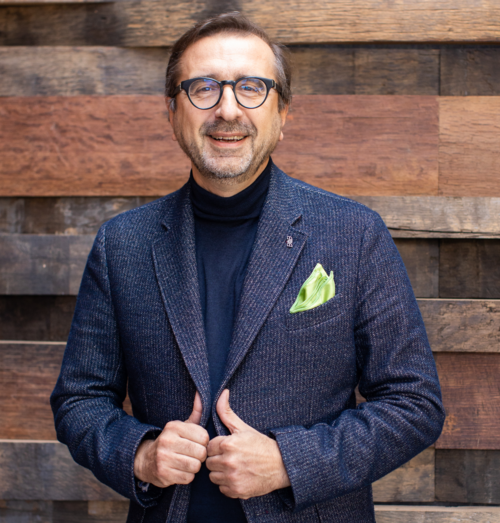
ROBERTO BAVA Winemaker, ITALY

MICHELE FORGIONE Chef & Restaurateur, CANADA
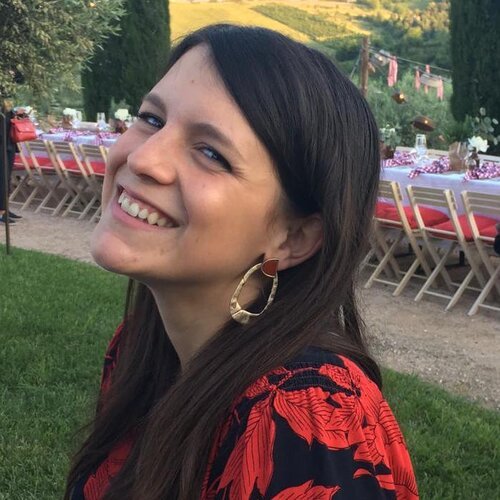
GIORGIA CANNARELLA Journalist, ITALY

NIKKI ROSE Crete's Culinary Sanctuaries, CRETE
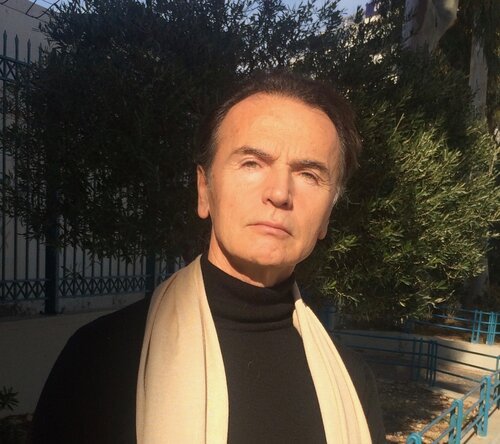
ATHAN GADANIDIS Aristoleo, GREECE

Dr. JOHANNA MENDELSON FORMAN Professor, USA

NAJAT KAANACHE Chef, MOROCCO

NESRINE ABOURIAH Agricultural Engineer, TUNISIA

ALEXANDER NASIR Chef & Regenerative Farmer, GERMANY

GABRIELLA BECCHINA Sicily Cultural Tourism Expert & Chef, SICILY

SARA ROVERSI Founder, Future Food Institute, ITALYSARA ROVERSI Founder, Future Food Institute, ITALY

JOHN SCONZO Journalist, USA

AFRIM PRISTINE Maitre Fromager, CANADA
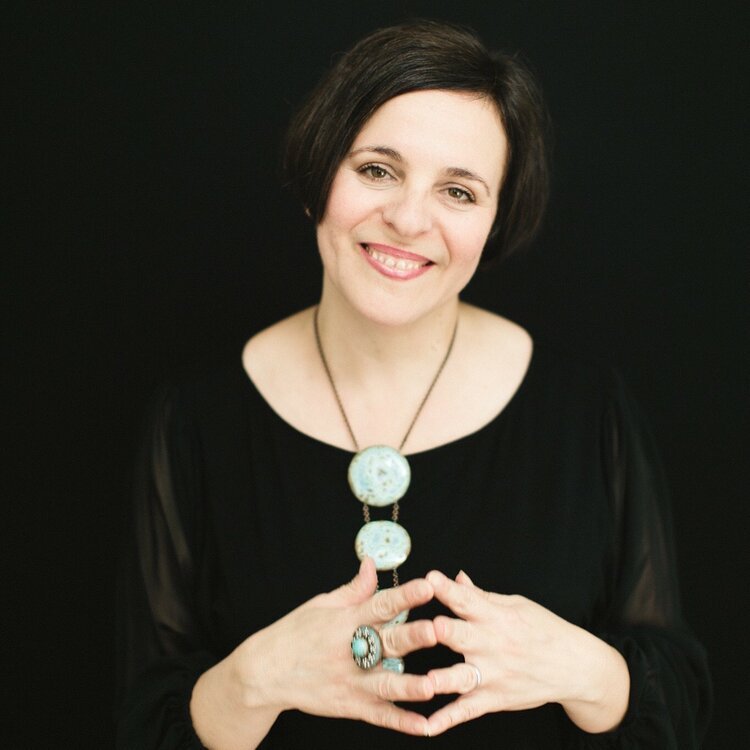
VOULA HALLIDAY Cookbook Author & Chef, CANADA

RICHARD GRUICA Captivating Croatia, CROATIA

HRVOJE PETRIĆ Event Producer & Journalist, CROATIA
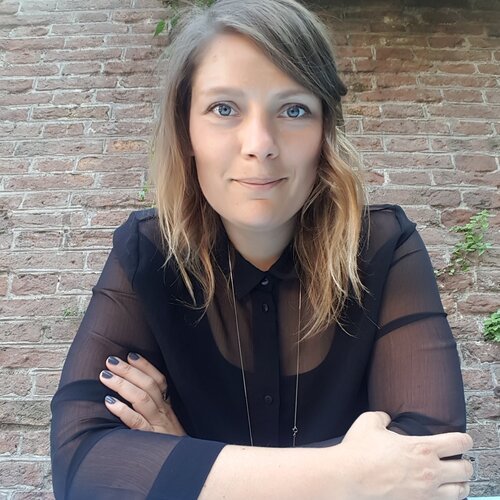
JULIA DALMADI Food Futurist, GERMANY
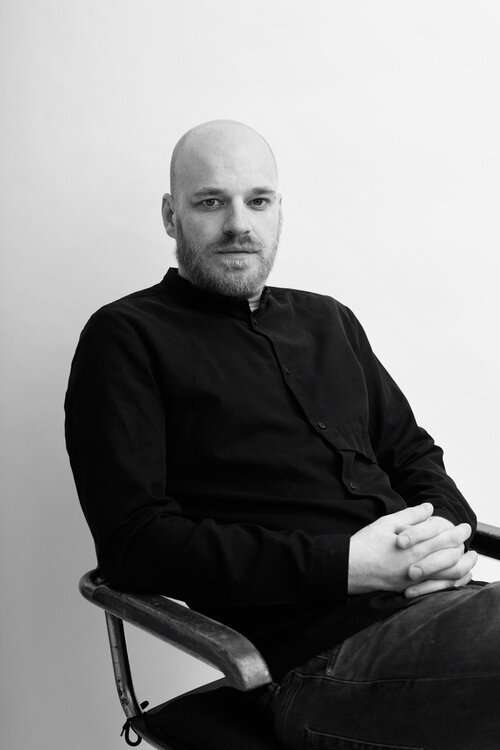
Lucas Huemer Chef, Berlin
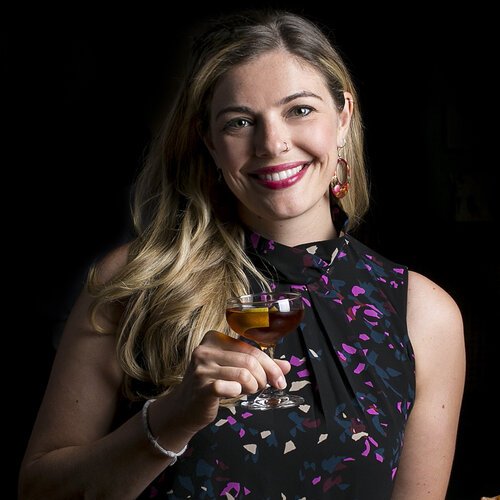
LAUREN MOTE DIAGEO Reserve Global Cocktailian Co-proprietor, Bittered Sling Bitters

JONATHAN BRINCAT Chef, MALTA
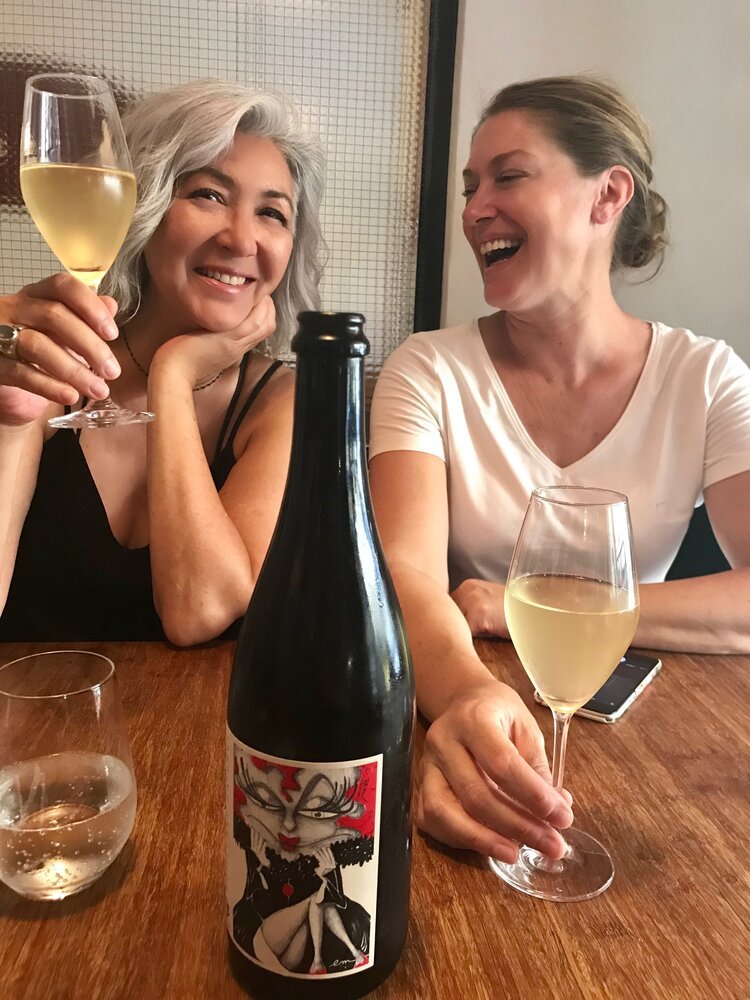
RENEE LALONDE & ARLENE STEIN TERROIR

BLEDAR KOLA Chef, ALBANIA