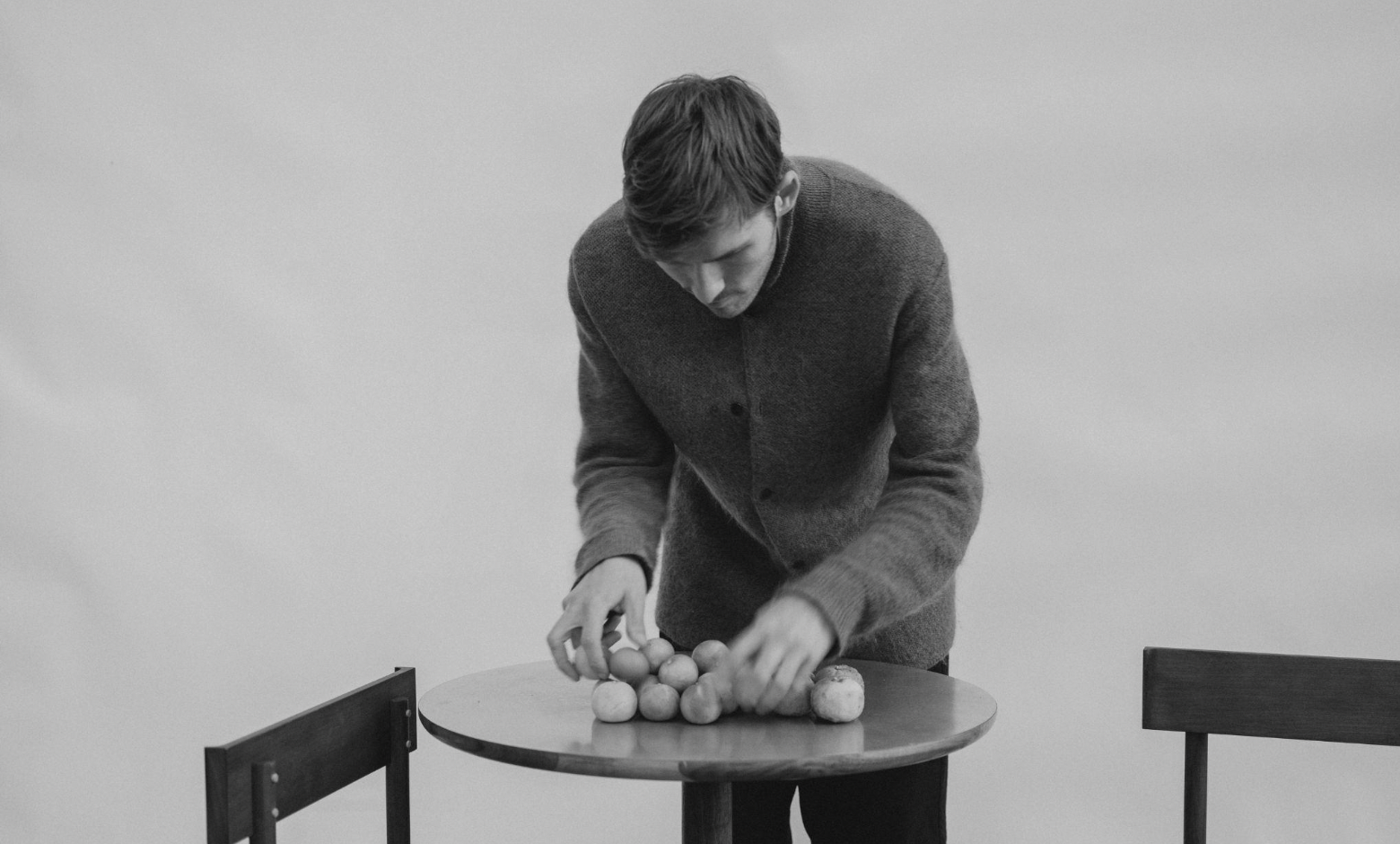
Dylan Watson, When Less Becomes More Terroir May 2025
What does it mean to feed someone well?
What kind of culture are we building through transformative food experiences?
Dylan Watson-Brawn, a Canadian chef, began his culinary path at 16 apprenticing at Restaurant RyuGin. Trained at Eleven Madison Park and Noma, he co-founded Restaurant Ernst in 2014. Known for seasonal, Japanese-influenced cuisine, Ernst earned a Michelin star and global acclaim, reflecting Watson-Brawn’s refined, ingredient-driven philosophy.
This presentation was delivered in Calgary in May 2025. It has been edited for grammar and clarity.
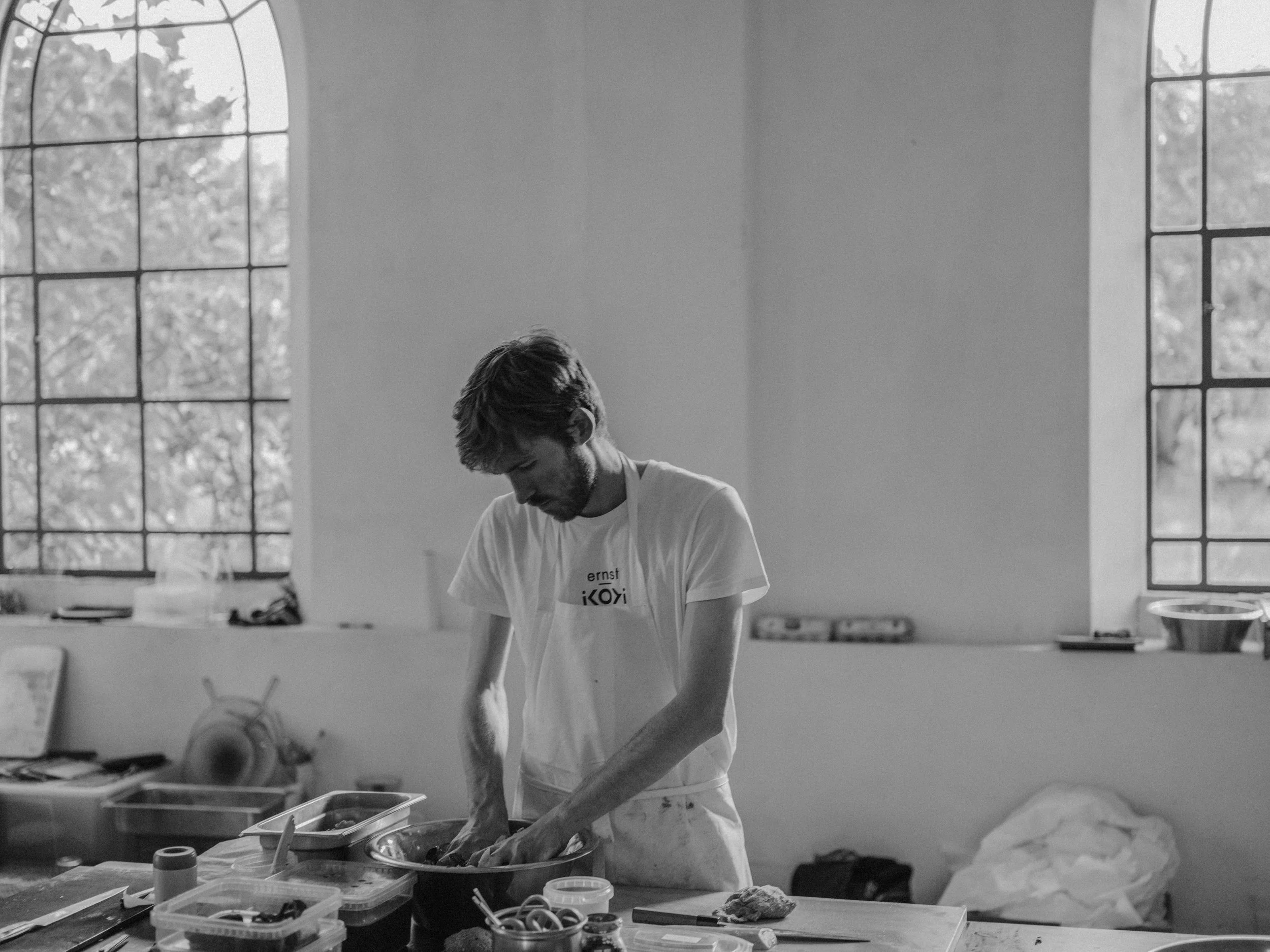
My name is Dylan Walton Braun. I'm 31 years old, and I grew up in Vancouver. I currently live in Germany. I'm standing here because in November of 2024, after 10 years of work, I made the decision to close my first restaurant - Ernst. It was a nine-seat restaurant that served a daily changing tasting menu. If you ask critics, guests, or the press what we did, they would say it was a Contemporary European Michelin-starred restaurant with a Japanese influence.
But for me, ERST wasn't just a restaurant. It was a deeply personal project. Something that I poured everything into, in order to understand what it really was.
I think I need to tell you a little bit about where I come from.
I started cooking as a kid. At 14, I asked for a job in a small restaurant in Vancouver called Shambara. I spent three years in the kitchen there. But my story with food really started with my parents. My parents taught me about a deep respect for food and a sense of wonder for the world. They prioritized experience over possession. They love to travel. They taught me that food was not just nourishment, it was a way of seeing and connecting with life. At 14, I spent a day in the kitchen at Shambar, which really started my career and passion.
Thankfully, I had the opportunity in high school to leave school and take a trip to Japan after spending less time in class and more time in the kitchen. Ideally, before entering a culinary program in Vancouver, I would visit Japan and spend three weeks there. One of the things that I did while I was there was spend one very memorable evening in a Kaiseki restaurant. For me, Japanese cuisine was something incredible. I'd never tasted anything like it. I appreciated the rigour, the attention to detail, the flavours, and the seasonal sensitivity. But more and more, it was something that was completely foreign to me. My friend, who gave me the opportunity to eat there, suggested I ask the chef if I could do an internship at the restaurant, which I did. Two or three weeks before I left Japan, I got a one-sentence email saying, " You start on Monday”.
A three-month internship turned into two and a half years. Japan changed my life in a really incredible way. For the first six months, I mostly washed dishes and cleaned. The work was hard, the hours were long. But the structure and the discipline of the kitchen gave me a foundation I desperately needed. I didn't speak Japanese, so I learned by watching. Whether I had to peel daikon, scale fish, or shuck peas, it felt like a privilege. What struck me the most was their approach to craft and ingredients. There was a sacredness to produce. My role as a cook was to honour the work of the farmers, the fishermen, and the natural world. Nothing wasted. Everything had purpose. The philosophy changed me.
I stayed in Japan for two and a half years, learning under Chef Yamutu San, until my visa expired.
Japan taught me to see food as a reflection of the seasons, of life itself, to rejoice in the first plum blossoms, to smell the first wild sancho and a pine mushroom in autumn. But more than anything, it taught me to approach life with a beginner's mindset and to never stop learning.
After Japan, I chased the usual dreams. I worked in restaurants in New York and in Copenhagen, places that I've admired since childhood. But to be honest, something didn't click. I couldn't find a kitchen that aligned with my values, which I developed during my time in Japan, and a place that had an uncompromising respect for ingredients, simplicity, and care. I ended up moving to Berlin, but I was broke. And I didn't speak German.
Berlin offered something else. Space. It had no rigid gastronomic identity, no iconic regional products, no long-standing tradition. That blankness gave me freedom and allowed me to build something from scratch. Berlin had an incredible openness back then. I started cooking at home. So, first for friends, then for strangers. A friend and I cooked out a small IKEA kitchen with food burners, an oven for warming plates, and an unventilated charcoal grill. During the week, we would visit farmers and producers around the region, trying to understand what made things delicious - what made a carrot taste delicious? That lens became the lens through which I looked, the belief that a single vegetable grown with intention could carry an entire dish. We cooked obsessively. Eventually, my apartment became a restaurant.
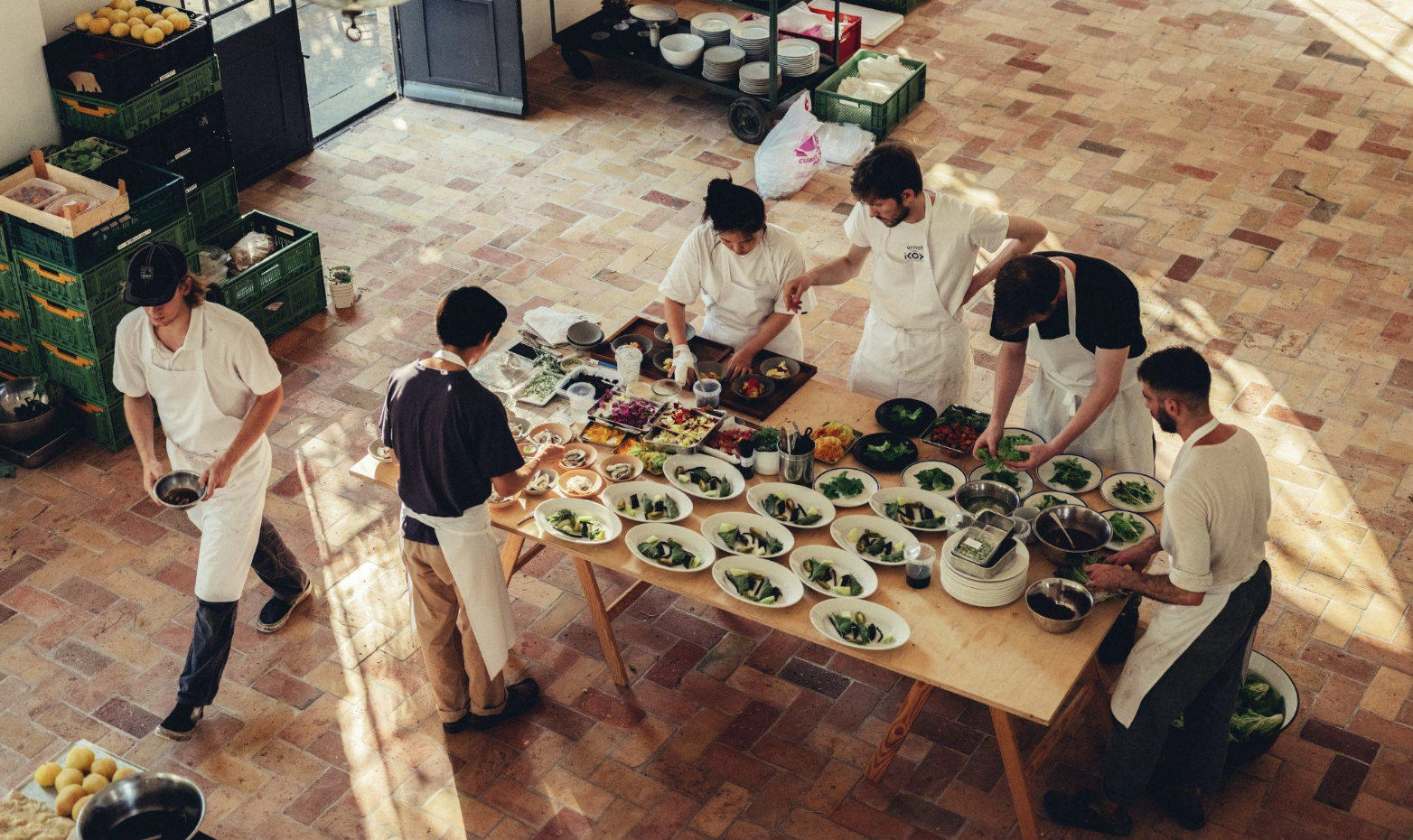
The menus got more ambitious, and people began to ask, when are you going to open a real restaurant? At first, we hadn't planned to; we were just chasing curiosity. But eventually that curiosity needed a home. We wrote a business plan and raised €200,000 from guests and friends. That's all you needed to own a restaurant in Berlin. So that was very special. We found an old gaming bar two blocks from my flat. They're called the Spielbanks (literally play, banks). In Berlin, it's where you smoke cigarettes and play slots. But the cool thing was that the rent was € 350 a month. The walls were yellow from cigarettes. The floors and ceiling needed to be rebuilt. But it was ours. With the help of generous architects, craftsmen, and friends who had been guests in the apartment, we transformed the space. And in 2017, Ernst opened as a 12-seat restaurant.
Our philosophy was simple. To serve food at a counter directly from the cooks to the guests. That shortened the time between cooking and eating. It allowed us to adjust texture and temperature down to the smallest detail. Our menus were 30 to 40 servings that changed with the seasons. Whether a single fish or ten figs arrived that day, we could use incredibly small batches of produce and share them with people daily. We served the menu in 2.5 hours, which sounds like a really, really short time, but it was to create an environment where people were relaxing, stressing people enough with food allowed them to let their guard down and really appreciate not only innovative dishes, but also to stop overthinking different aspects of what is luxurious or what is worth or not worth.
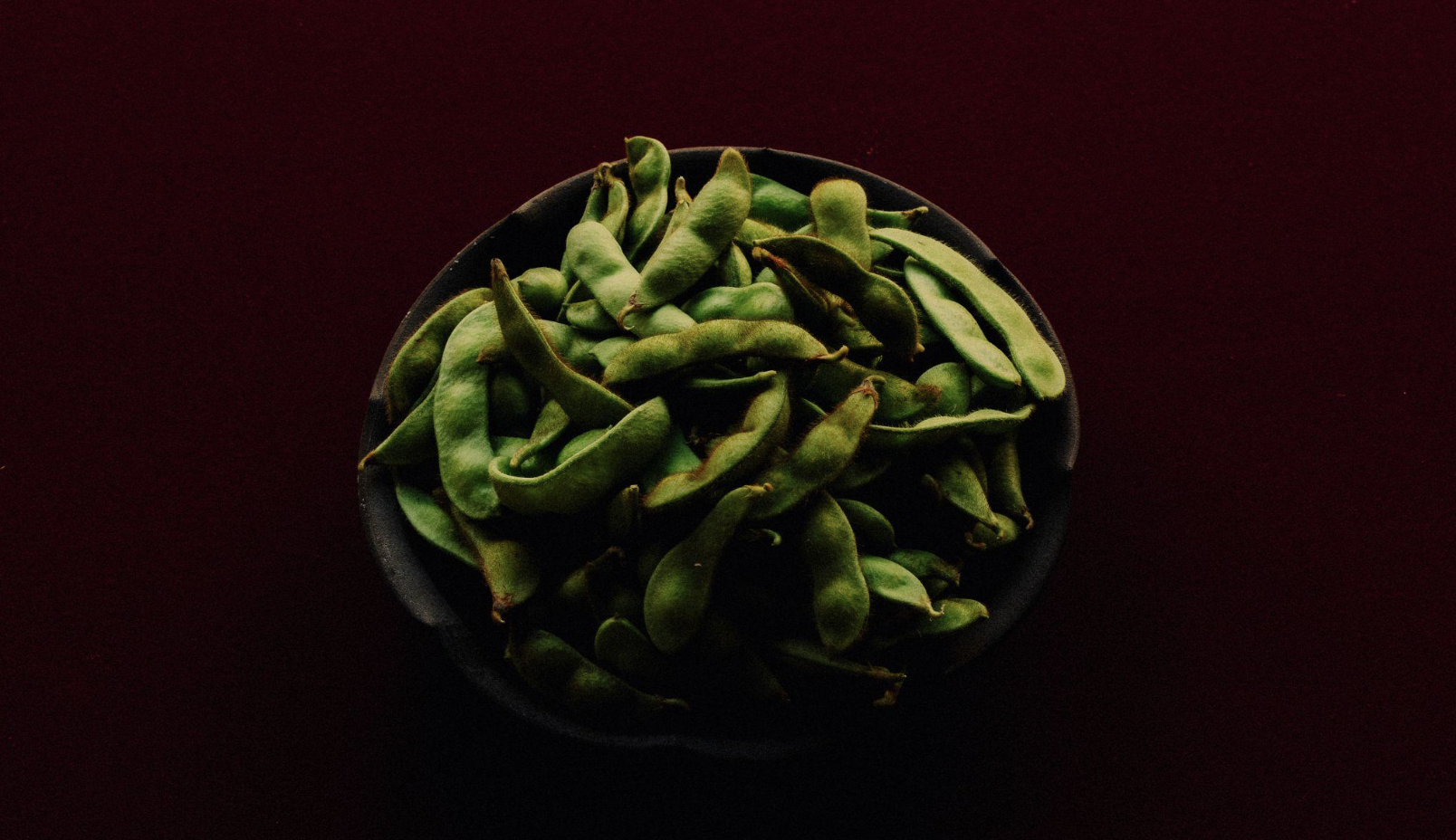
I tried to create an experience where guests would also learn to celebrate the key moments of each microseason. The first shoots of spring blossoms as the weather warms. This first sphere is white and then green asparagus. The early summer warmth is ripening. The first berries. We encourage people to taste, to get out of their comfort zone, and enjoy parts of plants and animals that would not normally be encountered. I look deeply at agricultural history, learning about biodynamics and sustainability. If the dishes were simple, they would have to be packed with thorough intention, from seed to soil type, to the farmers themselves. We aim to capture moments to share with our guests and embrace deeply simple dishes, whether that was a tomato in its fullest expression or showing the species diversity of simple cucumber.
We worked with farmers to source rare heirloom varieties. We sourced seeds from around the world and gave them to our farmers to inspire their curiosity. I met the champions of species diversity. Manfred, a man with 700 varieties of strawberries. Otrin, a woman who still plowed her soil by horse. Excitement and curiosity continued to push the cuisine. With all the care of growing and sourcing. We felt we needed to find a way to eat every part of the plant - the leaves, the roots. How to best utilize the parts of the plant that so much energy went into creating. When we served squid, we enjoyed the cutting techniques and how they affected taste and texture. Or how temperature changes deliciousness. As the restaurant grew, we continued to explore our surroundings. Finding beautiful produce was the goal. Finding people who treated it and transported it with care was the obsession.
I began to look further afield, exploring Europe in all of its climates. A nice Scottish diver, Roderick Sloan, is sought after in Europe for some of the best shellfish. Roddy got us beautiful Norwegian seafood, or we had a third-generation citrus farmer from southern France. If we could maintain quality, we would go for it, letting no obstacles stand in the way of sharing incredible produce with our guests and pushing our cuisine. Working only directly with farmers made nothing easy. We had late deliveries and late frost. Instead of fearing change, we embraced it for all the beauty it brought, and encouraged our guests to do the same. This was a radical, labour-intensive way to run a business. But I was young, slightly obsessive, and persistent.
At 24, I was in no way prepared to open a restaurant. So I made every mistake you can imagine.
This inexperience permitted me to do things differently and to question everything. And somehow, that became the restaurant's identity. We sacrificed a lot and received a lot in return. We won awards and earned a Michelin star. But those were never the goal. The goal was, and will always be, to make something meaningful, something honest. The time we spent was a fully immersive experience for the guests and even more so for me. I closed the restaurant last year, not because it failed, but because of an honest understanding that a project of that intensity was never going to be sustainable. After 10 years, life has changed, and I've grown as a person. And it was time for me to make space for something new.
Now I find myself reflecting more on what kind of world we want to build as cooks. Not just what we want to serve, but why, what values we want to pass on. What kind of system are we participating in? Are we growing more connected to the land, or are we growing more remotely? I don't have all the answers, but I know this. Food is a powerful tool that reflects our values. It can shape our culture. It can wisely remind us to slow down. I don't know exactly what's next, but I know it won't be a replica of Ernst, my previous restaurant. I want to continue exploring new formats while staying grounded in the same questions: What does it mean to feed someone well? What kind of culture are we building through transformative food experiences?
I don't have all the answers, but I know food has power. It can reflect who we are. It can shape culture. It can bring us back to the present, back to care, back to connection. And if I'm being honest, I still have a lot of questions about what success really means. About how to build a life in food that's sustainable, not just for the planet, but for the people doing the work. About how to stay curious and soft and open. And even as the pressure of this industry hardens us, I've come to realize that it's okay to not have a master plan. The path is not always linear. That maybe growth isn't about scale or fame or permanence, but about deepening your relationship. The relationship between your craft and yourself.
Sometimes closing one chapter is the most honest thing you can do. And sometimes just standing still and listening is its own kind of progress.
Thank you. (Dylan)